

wire mesh glass panels
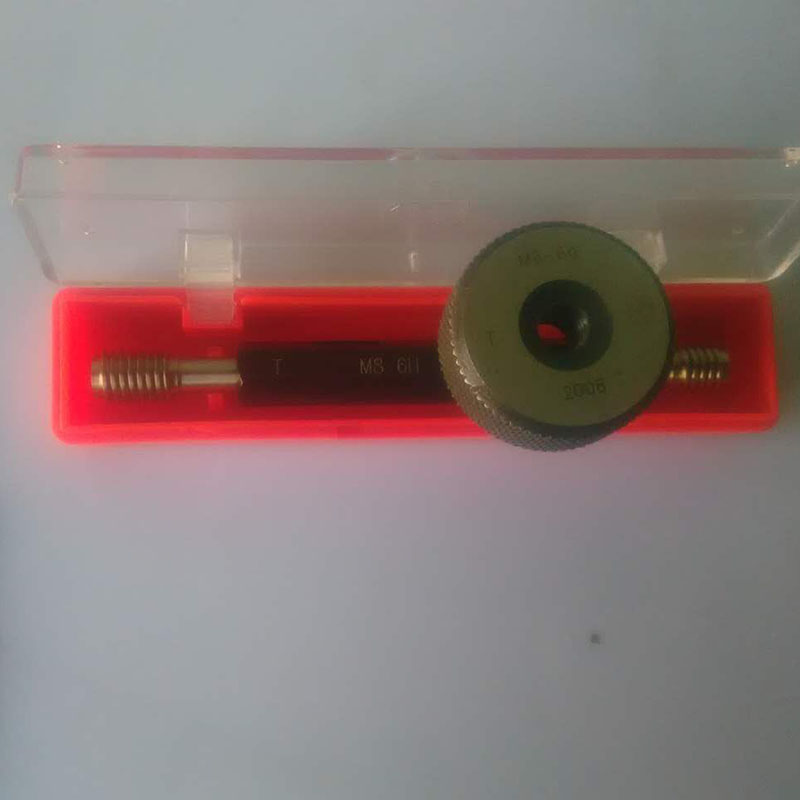
In the automotive industry, precision and reliability are non-negotiable. Even the smallest component defect can compromise safety, performance, and brand reputation. Plug gauges , plug ring gauges , and small hole gauges play pivotal roles in maintaining stringent quality control standards. These tools ensure dimensional accuracy, fit, and functionality of critical automotive parts, from engine components to intricate assemblies. Let’s explore their applications and how they elevate manufacturing excellence. The Role of Plug Gauge in Precision Measurement A plug gauge is a cylindrical measuring instrument designed to check the diameter of holes, slots, or other cylindrical bores. In automotive manufacturing, where holes of various sizes exist in parts like cylinder heads, transmission housings, and brake components, these gauges are indispensable. They verify whether a hole's diameter falls within the specified tolerance range, ensuring compatibility with mating parts such as bolts, pins, or shafts. For instance, in engine cylinder production, plug gauges ensure that the diameter of coolant passages and oil galleries meets design specifications. Inaccurate hole dimensions could lead to fluid leaks, overheating, or lubrication failures—issues that directly impact engine longevity. By providing quick, reliable measurements, plug gauges help manufacturers identify defects early in the production cycle, reducing waste and rework costs. Their simple yet effective design allows for easy integration into both manual inspection processes and automated quality control systems, making them a staple in automotive factories worldwide. Ensuring Shaft and Hole Compatibility with Plug Ring Gauge While plug gauges focus on hole measurements, plug ring gauges are designed to check the external diameter of shafts, pins, and other cylindrical components. In automotive assembly, proper shaft-hole fit is critical for smooth mechanical operation. A misaligned or incorrectly sized shaft can cause excessive wear, noise, or even mechanical failure. Plug ring gauges help manufacturers ensure that shafts—such as those in transmissions, drive axles, or steering systems—meet the precise dimensional requirements for optimal fit with their corresponding holes. Consider a transmission shaft that must fit seamlessly into a gear housing. A plug ring gauge quickly determines if the shaft's diameter is within the allowable tolerance, preventing issues like play (which causes vibration) or binding (which leads to excessive friction). These gauges are often used in conjunction with plug gauges to achieve a "go/no-go" inspection standard, where a part is only approved if both the hole and shaft gauges confirm proper fit. This dual-check system is vital in high-stakes applications where component interaction directly affects vehicle performance and safety. Small Hole Gauge: Mastering Micro-Dimensions in Automotive Components As automotive technology evolves, components are becoming smaller and more complex, especially in areas like fuel injection systems, electronic connectors, and hydraulic valves. These applications require precise measurement of small holes —often with diameters as tiny as a few millimeters or less. Traditional gauges may lack the sensitivity or design to measure such micro-dimensions accurately, making the small hole gauge an essential tool. Small hole gauges are engineered with fine-tipped probes and high-precision mechanisms to measure intricate bores in parts like fuel injector nozzles, which require ultra-small holes for optimal fuel atomization. Inaccurate measurements here could lead to poor combustion, reduced fuel efficiency, and increased emissions. These gauges also excel in inspecting holes in electronic components, such as connector sockets, where dimensional precision ensures reliable electrical contact. By addressing the unique challenges of small-scale measurements, small hole gauges enable manufacturers to meet the strict standards of modern automotive engineering, where every micron matters. FAQ: Maximizing the Value of Plug Gauge, Plug Ring Gauge, and Small Hole Gauge What Are the Key Advantages of Using Plug Ring Gauge in Automotive Production? The primary benefits include unmatched precision, rapid inspection capability, and durability. Plug ring gauges offer immediate "go/no-go" results, reducing inspection time while ensuring consistent shaft diameter compliance. Their robust construction withstands frequent use in harsh manufacturing environments, providing long-term reliability and cost-effectiveness. How Does a Small Hole Gauge Improve Quality Control for Miniature Components? Small hole gauges are specifically designed to measure diameters in the sub-millimeter range with high accuracy. They feature adjustable probes and ergonomic designs that allow access to hard-to-reach small holes, ensuring no dimension is overlooked. This is critical for components like micro-valves or sensor housings, where dimensional errors can disrupt entire systems. Can Plug Gauges Be Used for Both Manual and Automated Inspections? Yes, plug gauges are highly versatile. Manual models are ideal for quick spot-checks on the factory floor, while automated versions can be integrated into robotic arms or coordinate measuring machines (CMMs) for high-volume, repetitive inspections. This flexibility makes them suitable for all stages of production, from prototyping to mass manufacturing. What Makes Plug Ring Gauges Better Than Other Shaft-Measuring Tools? Unlike calipers or micrometers, which require operator skill and time to interpret readings, plug ring gauges provide instant pass/fail results. This minimizes human error and speeds up quality control processes, especially in high-throughput automotive assembly lines where efficiency and accuracy are equally important. How Can I Ensure Longevity and Accuracy of P lug Gauges? Regular calibration and proper maintenance are key. Store gauges in clean, dry environments, avoid dropping or mishandling, and follow the manufacturer's recommended calibration schedule. Investing in high-quality gauges from trusted suppliers ensures they retain their precision over years of use, providing a solid return on investment for your quality control operations. In conclusion, plug gauges , plug ring gauges , and small hole gauges are not just tools—they are the backbone of automotive quality control. By ensuring dimensional accuracy at every stage of production, these instruments safeguard against defects, enhance component performance, and uphold the rigorous standards that modern vehicles demand. Whether you're inspecting large engine components or tiny electronic parts, the right gauge can make all the difference in delivering products that combine safety, reliability, and excellence.
about
wire mesh glass panels
How to Find the Main Water Valve Finding the main water valve in your home is an important skill for any homeowner or renter. This valve controls the flow of water into your house, and knowing its location can be critical in emergencies, such as a water leak or a plumbing issue. In this article, we will guide you through the steps to locate your main water valve effectively. Understanding the Main Water Valve The main water valve is the point where the water supply enters your home. It is typically located close to where the water line enters the building. The valve can be found in a variety of places, including basements, crawl spaces, garages, or outside near the foundation of your house. In colder climates, it is often positioned inside to prevent freezing. Steps to Locate Your Main Water Valve 1. Identify the Entry Point Start by looking at the exterior of your home. The main water line generally comes from the street and enters through the foundation. Inspect the front yard or the side of your house for a water meter, which is usually located near the curb. 2. Check Common Locations If you have a basement or crawl space, these areas are likely candidates for the main water valve. In basements, check the walls closest to where the water enters. Look near the floor and around any water heaters or furnaces, as plumbing fixtures are often clustered together. 3. Look in the Utility Room If your home has a utility room, check there as well. The main valve may be installed near the water heater, washing machine, or in conjunction with other plumbing systems. 4. Inspect the Garage In homes without basements, garages can often house the main water valve. Look along the walls or near the floor, especially if any plumbing runs through the garage . how to find main water valve 5. Examine the Outside If you live in a warmer climate or have a slab foundation, the main water valve could be located outside. Look for a cover in the ground near the foundation. It might be a round or rectangular metal cover or a plastic box. Sometimes, the valve will be inside a pit below ground level. Tools You Might Need When you locate the valve, ensure you have the right tools available. A wrench or a special valve key might be necessary to turn the valve. It’s also wise to have a flashlight handy if you are searching in dark areas like basements or crawl spaces. How to Operate the Valve Once you've located the main water valve, you should familiarize yourself with how it operates. Most residential main valves are gate valves, which require you to turn the handle clockwise to shut off the water and counterclockwise to open it. In some cases, you may find a ball valve, which is operated by a lever that you simply turn 90 degrees. Mark the Location After you have found the main water valve, make sure to mark its location. You might want to attach a label or note nearby for future reference. This will help not only you but also any family members or emergency personnel who may need to access the valve quickly. Conclusion Knowing how to find your main water valve is an essential part of home maintenance. Whether you are dealing with a plumbing emergency or simply want to perform routine checks on your plumbing system, being aware of the valve’s location can save you time, headaches, and potential water damage. Take the time to locate and familiarize yourself with the valve today, because being prepared is always better than being caught off guard. Remember, in case of any significant plumbing issues, it is always wise to contact a professional plumber for assistance.
-

High quality industrial productsagement

High quality industrial products
View Details -

Meet the diverse needs of customers

Meet the diverse needs of customers
View Details -

Strict quality control

Strict quality control
View Details -

Top raw materials

Top raw materials
View Details -

Trusted supplier

Trusted supplier
View Details
Our application

news and information
water valve won't shut off
Troubleshooting Your Water Valve Why It Won't Shut Off and How to Fix It Water valves are crucial co

Y-Type Strainer Featuring a Convenient Drain Valve for Efficient Filtration Solutions
Understanding the Y-Type Strainer with Drain Valve Essential for Efficient Fluid Management In vario
Válvula de retención de 12 mm para aplicaciones industriales y de fontanería eficientes
Válvula de Retención de 12 mm Importancia y Aplicaciones Las válvulas de retención son dispositivos
 English